Column · @charlieftrr350
What Parents Should Know About Wisdom Teeth Removal in Oxnard CA
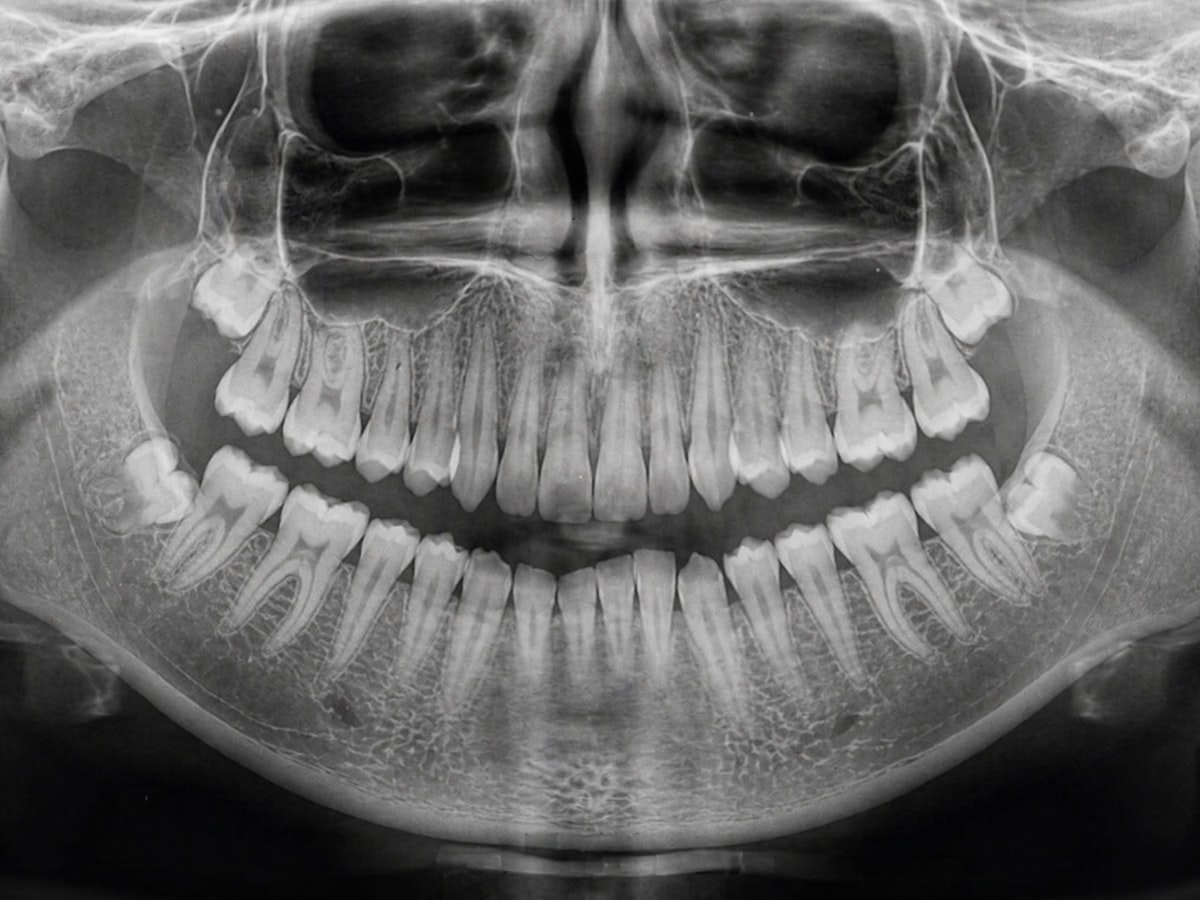
For many families, wisdom teeth become a topic almost overnight. A teenager goes in for a routine dental cleaning, the dentist points to an X-ray, and suddenly the conversation turns to impacted molars, oral surgery, sedation, sports schedules, school absences, and recovery foods. Parents are often left sorting through a lot of information at once, and not all of it is explained clearly.
If you are considering Wisdom Teeth Removal Oxnard CA, it helps to know what is routine, what deserves closer attention, and what practical details can make the process smoother for both you and your child. Wisdom tooth removal is common, but it is still a real surgical procedure. Good planning matters. So does choosing a provider who communicates well and sets realistic expectations.
Why wisdom teeth become a problem in the first place
Wisdom teeth are the last set of molars to develop, usually during the late teens or early twenties. Some come in normally and never cause trouble. Others do not have enough room to erupt fully, or they come in at an angle that pushes against neighboring teeth or gum tissue. That is where problems begin.
In a smaller percentage of patients, wisdom teeth stay completely buried in the jaw and remain quiet for years. In others, a tooth partly breaks through the gums, creating a pocket where food debris and bacteria collect. That often leads to soreness, swelling, bad breath, or repeated gum irritation in the same area. Parents are sometimes surprised that a child can have a significant wisdom tooth issue even if they are not complaining much. Teenagers, especially busy ones, tend to normalize discomfort until it becomes hard to ignore.
The reason dentists and oral surgeons pay such close attention to wisdom teeth is not because every third molar is destined to cause harm. It is because the timing of intervention can change the difficulty of treatment. Younger patients often heal faster, and the roots may be less fully formed. That can make removal more straightforward in certain cases. Still, there is no one-size-fits-all rule. Some wisdom teeth truly can be monitored.
The age question parents ask first
Parents usually want to know whether their child is too young, too old, or right on time. Most evaluations happen sometime between ages 15 and 20, but the best age depends on how the teeth are developing, whether symptoms are present, and what the X-rays show.
A 16-year-old with impacted lower wisdom teeth pushing into second molars may need a different plan than an 18-year-old whose wisdom teeth are visible, upright, and not causing crowding or infection. I have seen families assume that extraction is automatically urgent simply because an orthodontist mentioned it a year ago. I have also seen the opposite, where a teen has repeated flare-ups behind the molars for months and the family keeps postponing a consultation because school, travel, and sports feel more pressing.
Timing should be based on anatomy and risk, not convenience alone. Convenience matters, of course. Summer break and holiday breaks are popular windows for surgery in Oxnard because recovery is easier when students are not trying to sit through classes or return to practice too quickly. But the calendar should support the clinical decision, not replace it.
What the consultation should cover
A good consultation does more than confirm that wisdom teeth are present. It should explain the position of the teeth, whether they are fully erupted or impacted, how close they appear to important structures like the sinus or a lower jaw nerve, and what level of difficulty the removal may involve. If your child has anxiety, a strong gag reflex, autism spectrum needs, or a medical history that affects healing or sedation, those issues should be discussed in detail before surgery is scheduled.
Parents often feel rushed during these appointments, especially if the office is busy. It is worth slowing the conversation down. You should understand not just the recommendation, but the reasoning behind it. If the surgeon says the teeth should come out now, ask why now rather than six months from now. If the answer is vague, keep asking.
Digital imaging has improved how providers evaluate wisdom teeth, but an image alone is not the whole story. Symptoms, oral hygiene habits, bite patterns, orthodontic history, and the teen’s maturity all matter. A responsible provider considers the whole patient.
Not every wisdom tooth needs to be removed
This is one of the most important points for parents. Extraction is common, but it is not mandatory in every case. Some wisdom teeth erupt fully, can be cleaned properly, and function like other molars. Others remain stable and symptom-free under the gums with no evidence of damage nearby. Monitoring may be a reasonable option, especially if surgery carries added medical complexity.
That said, “not bothering them right now” is not the same as “problem solved.” Monitoring only works when follow-up is consistent. If a provider recommends observation, ask what signs would change that recommendation. Some families hear that wisdom teeth can stay in place and interpret that as permanent reassurance. Then they skip imaging for years and discover a preventable problem later.
Judgment matters here. The best decisions are usually individualized, not reflexive.
Signs parents should not ignore
Even teens who dislike doctor visits will usually mention pain if it starts interfering with sleep or eating, but some warning signs are easy to dismiss as minor mouth irritation. Persistent gum swelling behind the second molars, jaw stiffness, trouble opening fully, repeated cheek biting, or a bad taste near the back teeth can all point to wisdom tooth trouble.
Here are a few symptoms that deserve prompt attention:
- swelling around the back molars that returns or worsens
- pain with chewing or opening the mouth
- bleeding or inflamed gum tissue over a partially erupted tooth
- foul taste, bad breath, or drainage suggesting infection
- pressure against neighboring teeth or sudden new crowding sensations
None of these automatically means emergency surgery, but they do justify a timely exam. Infections around partially erupted wisdom teeth can escalate quickly, particularly if the swelling begins to affect swallowing or facial symmetry.
What surgery day usually looks like
Most wisdom tooth removals are outpatient procedures. Families arrive, paperwork is reviewed, and the surgical team confirms the treatment plan, health history, medications, allergies, and who is driving the patient home. If sedation is planned, fasting instructions are usually strict. Missing those instructions can lead to cancellation or delay, which is frustrating and preventable.
The actual procedure varies based on how many teeth are being removed and whether they are erupted, partially impacted, or fully impacted in bone. Some extractions are simple. Others require lifting gum tissue, removing a small amount of bone, sectioning the tooth, and placing sutures. Parents often imagine the surgery itself as the hardest part, but for most healthy teens the more memorable piece is the recovery during the first forty-eight to seventy-two hours.
Sedation options differ by office and by case. Some patients receive local anesthesia only. Others have nitrous oxide, oral sedation, or IV sedation. The right choice depends on the complexity of the extraction, the patient’s anxiety level, medical history, and the surgeon’s judgment. What matters most is that parents understand the plan ahead of time and know what their child will likely remember afterward. Many teens who receive IV sedation have little memory of the procedure, which can be a relief for anxious families.
Recovery tends to be manageable, but the details matter
Most parents have heard some version of “a few days of rest and soft foods,” which is true as far as it goes. The problem is that vague advice leads to avoidable setbacks. Recovery after wisdom tooth removal usually follows a fairly predictable arc. The first day is often dominated by numbness, gauze changes, rest, and getting ahead of discomfort before the anesthesia fully wears off. Swelling typically peaks around the second or third day. Jaw stiffness is common. Energy may be lower than expected.
Pain experiences vary. Some teens bounce back fast and need minimal prescription medication, if any. Others are sore for several days and feel frustrated by how awkward eating becomes. Lower impacted teeth often produce a tougher recovery than upper erupted teeth. That does not mean something is wrong. It means families should plan realistically.
Hydration is one of the most overlooked parts of recovery. A teen who barely drinks because their mouth feels strange often feels worse overall, gets lightheaded more easily, and has a rougher time with medications. Soft, cool foods help, but fluids matter just as much.
Parents should also know that a teenager who insists they are “fine” the evening after surgery may feel significantly worse the next morning. It is smart to keep the schedule light for at least a couple of days.
The aftercare mistakes that cause the most trouble
Most complications do not come from the surgery itself. They come from doing too much too soon or from misunderstanding the aftercare instructions. Straws, vigorous rinsing, smoking or vaping, heavy exercise, and poking the surgical sites can all interfere with clot formation and healing. Dry socket is the complication many parents have heard of, and for good reason. It can be quite painful. While not every post-op ache is dry socket, the risk goes up when clot disruption occurs.
Sports families in Oxnard often ask when a teen can get back to training. That depends on the procedure and the individual recovery, but returning to intense activity the next day is rarely a good idea. Increased blood pressure and exertion can worsen swelling or trigger bleeding. A cautious pause is better than a setback that extends recovery.
One practical tip that helps many families: prepare recovery food before the procedure, not afterward. Yogurt, smoothies eaten with a spoon, mashed potatoes, scrambled eggs, oatmeal once tolerated, broths, and other soft options reduce stress on a day when no one wants to cook. Just avoid very hot foods at first, and skip anything with small seeds or crunchy fragments that can get into the sockets.
Dry socket, infection, and nerve concerns
Parents deserve a clear view of the risks without being frightened by worst-case stories online. The majority of wisdom tooth removals heal uneventfully. Still, every surgery carries potential complications.
Dry socket usually shows up as increasing pain a few days after extraction, often after initial improvement. The discomfort may radiate toward the ear or jaw. It is miserable, but it is treatable. Infection may cause worsening swelling, fever, foul drainage, or pain that does not follow the expected healing pattern. Swelling alone is not proof of infection, since some swelling is normal, especially after lower extractions.
Nerve injury is a concern parents often read about when lower wisdom teeth sit near the inferior alveolar nerve. This risk varies widely depending on the anatomy and should be discussed honestly during the consultation. Sometimes the roots are close but still removable without issue. In more complicated cases, the surgeon may discuss alternatives or specific imaging to better assess the relationship. Temporary numbness changes are more common than permanent ones, but both should be addressed directly if they are relevant to your child’s case.
Sinus communication can also be a consideration with upper wisdom teeth, particularly when roots are near the sinus floor. Again, this is not common in routine cases, but it is part of proper surgical planning.
Cost, insurance, and the questions worth asking early
Cost catches families off guard more often than it should. Wisdom tooth surgery can involve separate charges for consultation, imaging, anesthesia, surgery, pathology in limited situations, and follow-up if complications arise. Dental insurance may cover part of the procedure, but benefits vary. Medical insurance sometimes becomes relevant when there is a more complex medical https://tysonzrua067.summitquill.com/posts/why-wisdom-teeth-removal-oxnard-ca-may-be-recommended-early or hospital-based setting, though that is not the norm for healthy teens.
Ask for a written estimate before scheduling. If you are comparing providers for Wisdom Teeth Removal Oxnard CA, do not focus only on the bottom-line price. A lower quote may reflect a different sedation plan, fewer included follow-ups, or a simpler assumption about the extraction than what the surgeon actually encounters. The quality of the consultation, the clarity of aftercare, and the experience of the surgical team matter.
These are sensible questions to bring to the consultation:
- are all four wisdom teeth recommended for removal, and if so, why
- what type of sedation is planned, and who monitors it
- how many recovery days should we realistically expect
- what costs are included in the estimate, and what is not
- who do we contact after hours if bleeding, pain, or swelling worsens
A parent who asks these questions is not being difficult. They are being prepared.
Choosing a provider in Oxnard
Oxnard families have options, which is a good thing, but options can make the decision feel more confusing. Some cases are handled by general dentists with surgical experience, while others are referred to oral and maxillofacial surgeons. A straightforward erupted tooth in a calm adult is different from four impacted third molars in a nervous teenager with complicated root development. The provider’s training and comfort level should match the case.
Look for a practice that explains things plainly, not one that relies on speed or pressure. Good offices tend to be consistent in the little things. They review medications carefully. They give written instructions that make sense. They set expectations for swelling and diet. They answer parent questions without irritation. If you feel rushed before the surgery, there is a fair chance you will feel unsupported afterward too.
Word of mouth is useful, but remember that every family’s experience is filtered through personality and expectations. One parent may describe a recovery as terrible when the healing was medically normal but inconvenient. Another may call a provider wonderful because the staff was warm, even though key details were not explained well. Personal referrals matter, but they should be paired with a careful consultation.
Teens, anxiety, and the emotional side parents sometimes overlook
Many parents focus on logistics and forget that oral surgery can feel deeply personal to a teenager. Even confident kids may become uneasy when they hear words like “impacted,” “sedation,” or “sutures.” Others act indifferent and then panic the night before. That emotional response is normal.
It helps to speak plainly and avoid dramatic language. Teens usually do better when they know what to expect in concrete terms. Tell them they will likely be sleepy afterward, their cheeks may swell, and eating will be annoying for a bit. Tell them the first few days are the hardest and then most people turn the corner. Calm realism is often more reassuring than trying to insist it is “no big deal.”
If your child has significant dental anxiety, mention it well before surgery day. Offices can often adjust how they prepare and support the patient. That may include scheduling considerations, extra explanation, or a different sedation plan.
When waiting makes sense, and when it does not
Parents sometimes worry they are making the wrong choice whether they proceed or delay. That is understandable. The right decision depends on balancing current symptoms, future risk, and the child’s overall situation.
Waiting can make sense when wisdom teeth are healthy, easy to monitor, and not harming adjacent teeth or gums. It can also make sense when a temporary medical issue needs to be stabilized first. But delaying a clearly problematic situation usually does not make it disappear. Recurrent infections, food trapping under a gum flap, damage to the second molars, and worsening impaction patterns tend to become more frustrating over time, not less.
The goal is not to remove teeth preemptively without cause. The goal is to act before repeated problems make treatment harder on the patient.
What parents usually say afterward
Once the swelling settles and regular meals return, many parents tell the same story in different words: the anticipation was worse than the reality, but they were glad they took the preparation seriously. The families who tend to have the smoothest experiences are not necessarily the ones whose teens have the easiest surgeries. They are the ones who knew what to expect, arranged help at home, followed instructions closely, and did not treat oral surgery like a casual errand between other commitments.
If you are weighing Wisdom Teeth Removal Oxnard CA, think beyond the procedure itself. Focus on timing, communication, case complexity, recovery support, and follow-through. A good plan reduces stress on everyone involved. For parents, that often makes the biggest difference of all.
Oxnard Dentistry
1730 E Gonzales Rd
Oxnard, CA 93036, United States
Phone: +1 805-307-8731
FAQ About Wisdom Teeth Removal Oxnard CA
How much does it cost to get wisdom teeth removed in California?
Fees depend on tooth position, the number of extractions, imaging and anesthesia. Oxnard Dentistry can provide an individual estimate after examining your teeth. Ask for an itemized plan and confirm insurance benefits before scheduling.
Will insurance cover wisdom teeth removal?
Coverage and out-of-pocket costs vary by policy and the treatment required. Ask the dental office and your insurer to verify benefits, annual limits and any authorization requirements. A benefit estimate does not guarantee payment.
Is 30 too old to have wisdom teeth removed?
Age alone does not determine whether extraction is appropriate. A dentist evaluates symptoms, tooth position, oral health and medical history. Healthy, functional wisdom teeth may be monitored; teeth causing disease or other problems may need treatment.